
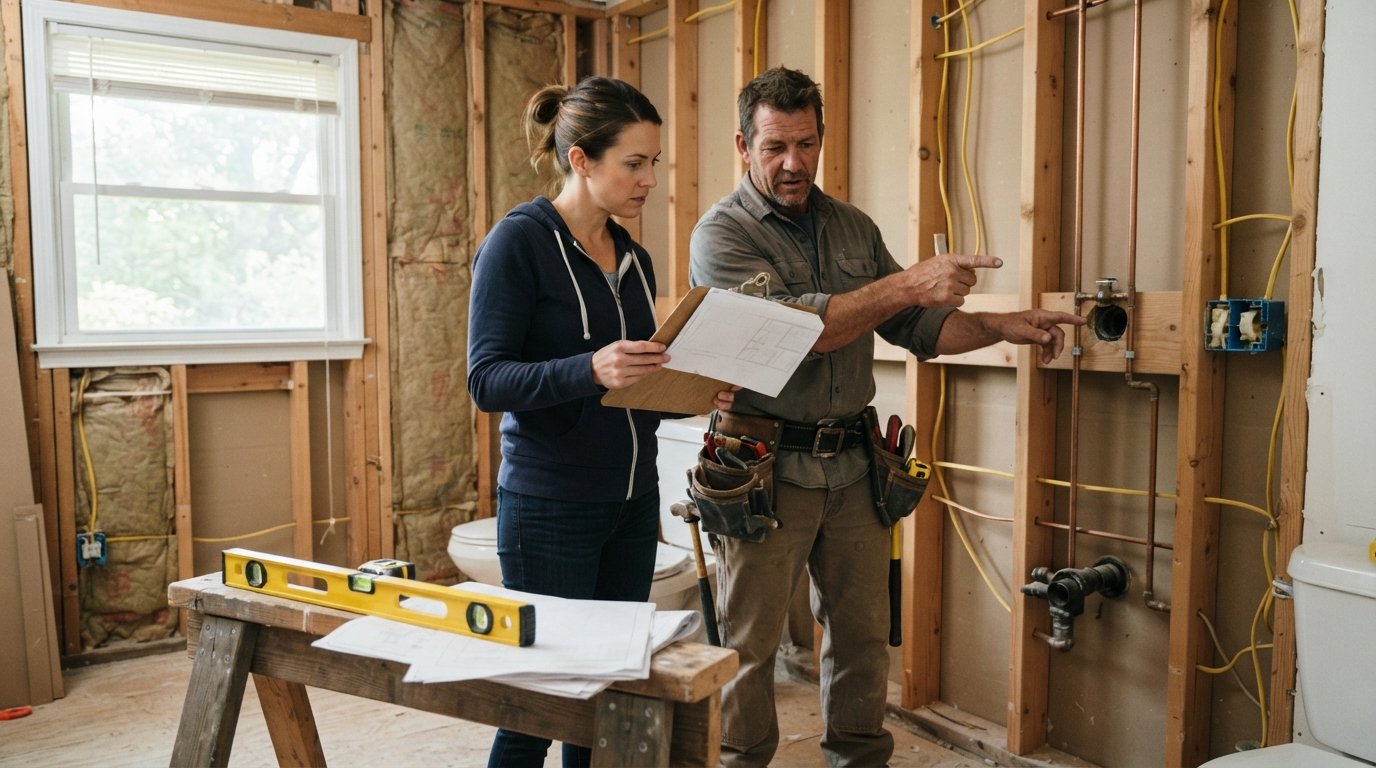
Bathroom Remodel Permit Requirements Explained
Bathroom remodel permit requirements explained: know which changes need permits and avoid fines. Call (833)-700-4293 for expert contractor guidance.

By Adam Keller
Learn more about Bathroom Remodel for guides, costs, and what to expect.
Compare Bathroom Remodel Pros Near You

Enter your ZIP code to compare top-rated local professionals and request free quotes.
Planning a bathroom remodel is exciting, but before you pick out tiles or fixtures, you need to understand the permit rules. Bathroom remodel permit requirements explained here will help you avoid costly fines, forced tear-outs, and delays. Whether you are replacing a vanity or reconfiguring the entire layout, knowing when a permit is required is essential for a smooth project. In this guide, we break down the triggers, the inspection process, the risks of skipping permits, and how permits affect your timeline. We also show you how to confirm local rules and connect with pre-vetted contractors who handle permits for you.
Which Bathroom Changes Typically Trigger a Permit?
Not every bathroom update requires a permit. Cosmetic changes like painting, replacing a faucet, or swapping a light fixture usually do not need one. However, any work that affects the structural, plumbing, or electrical systems of your home almost always requires a permit. Understanding the difference is key to planning your project legally and safely.
Here are the most common bathroom remodel tasks that typically require a permit:
- Moving or adding plumbing lines, including relocating a sink, toilet, or shower
- Installing or relocating electrical outlets, switches, or exhaust fans
- Removing or altering walls, especially load-bearing walls
- Changing the bathroom layout or expanding the footprint
- Installing a new bathtub, shower, or replacing a tub with a shower
- Adding a new bathroom where none existed
Even if you are simply replacing a fixture with a like-for-like model, some jurisdictions still require a permit for plumbing or electrical work. For example, swapping a standard toilet for a low-flow model may not need a permit, but installing a new electrical circuit for a heated floor does. Always check with your local building department before assuming a permit is not needed. Many homeowners find that a quick phone call or online search saves them from costly mistakes later.
It is also important to note that permits are not just about big projects. Something as simple as adding a recessed medicine cabinet with an electrical outlet may trigger an electrical permit. The scope of work matters, but so does the involvement of regulated systems. If your project touches plumbing, electrical, or structural elements, assume a permit is required until you confirm otherwise.
How Plumbing and Electrical Work Affect Inspection Requirements
Plumbing and electrical work are the two areas most likely to require permits and inspections. This is because these systems directly impact safety, water damage risk, and fire hazards. Building departments want to ensure that any changes are done to code, so they require licensed professionals to pull permits and schedule inspections at specific stages.
For plumbing, inspections typically occur after rough-in work (before walls are closed) and again after fixtures are installed. The inspector checks for proper pipe sizing, venting, slope, and leak-free connections. If you are moving a drain or supply line, the inspector will verify that the new routing meets code. Electrical inspections similarly happen after rough wiring is complete and again after devices are installed. They check for proper grounding, circuit protection, and safe wiring methods.
Because inspections are tied to permit milestones, your project schedule must account for them. You cannot simply cover walls or install fixtures until the rough-in inspection passes. This means your contractor must coordinate with the building department, which can add days or weeks to the timeline. Failing to schedule inspections or missing a required inspection can result in stop-work orders or failed final inspections, forcing you to redo work. Therefore, it is critical to hire licensed plumbers and electricians who are familiar with the local inspection process and can manage it efficiently.
Some homeowners wonder if they can do plumbing or electrical work themselves. While some jurisdictions allow homeowner permits for minor work, most require licensed professionals for anything beyond simple replacements. Even if you are handy, the risk of failing inspection or causing damage is high. Plus, insurance companies may deny claims for unpermitted work. It is safer and often more cost-effective to hire a pro.
What Happens If You Skip the Permit?
Skipping a required permit might seem like a way to save time and money, but the consequences can be severe. Building departments can issue fines, require you to remove finished work, and even force you to pay for retroactive permits at a higher cost. Worse, unpermitted work can complicate the sale of your home, as buyers and lenders often require proof of permits for recent renovations.
Here are the potential risks of doing work without a permit:
- Fines and penalties that can accumulate daily until the work is legalized
- Stop-work orders that halt your project indefinitely
- Mandatory removal of finished work (e.g., tearing out walls or flooring) to expose the work for inspection
- Difficulty selling your home or refinancing, as title searches may reveal unpermitted work
- Insurance claims denied for damage caused by unpermitted work
In some cases, you may be able to apply for a retroactive permit, but you will still pay fees and possibly penalties, and you must open up walls or floors for inspection. This is far more expensive and disruptive than pulling the permit upfront. Additionally, if a contractor suggests skipping the permit to save money, consider it a red flag. Reputable contractors understand that permits protect both you and them, and they will include permit costs in their bid.
Beyond financial and legal risks, unpermitted work can be unsafe. Without inspections, you have no assurance that plumbing is leak-free or electrical work is up to code. Hidden problems like water damage or fire hazards can go unnoticed until they cause major damage. For these reasons, never skip a permit when one is required.
How Permit Timelines Affect Project Scheduling
Permit processing times vary widely by location and project complexity. In some cities, a simple bathroom permit might be issued over the counter in a few days, while in others it can take several weeks. Factors that affect timeline include the completeness of your application, the current workload of the building department, and whether your project requires design review or historic preservation approval.
To avoid delays, it is best to apply for permits as early as possible. Your contractor should be able to tell you typical turnaround times and help prepare the application. Once the permit is issued, you must schedule inspections at the appropriate stages. Rough-in inspections for plumbing and electrical must happen before drywall goes up, so your contractor needs to plan accordingly. If an inspection fails, you may need to make corrections and reschedule, adding more time.
A realistic bathroom remodel schedule should include permit acquisition and inspection milestones. For a typical full bathroom remodel, you might budget 2 to 4 weeks for permit processing and another 1 to 2 weeks for inspections (depending on scheduling availability). This means you should not expect to start demolition the day after hiring a contractor. Instead, work with your contractor to create a timeline that accounts for these administrative steps. Proper planning prevents frustration and keeps the project moving smoothly.
If you are working with a contractor from a platform like FreeQuotes.Contractors, they can often handle the permit application and inspection scheduling for you, saving you time and ensuring compliance. This is especially valuable if you are unfamiliar with local procedures.
Why You Must Confirm Rules with Your Local Building Department
Building codes and permit requirements are set at the local level, so they can vary significantly from one city or county to the next. What requires a permit in one town might not in another, and some areas have stricter rules for older homes or historic districts. Therefore, you must confirm the specific requirements with your local building department before starting any work.
Start by visiting your city or county website and searching for the building permit division. Many departments provide online checklists and fee schedules. If the information is unclear, call them directly and describe your project. Ask specifically about plumbing, electrical, and structural changes. Also inquire about any additional requirements, such as energy code compliance or accessibility standards. Keep a record of your conversations and any written guidance you receive.
It is also wise to check if your homeowner's association (HOA) has additional rules. Some HOAs require approval for exterior changes or even interior modifications that affect plumbing or electrical. Failing to get HOA approval can lead to fines or forced reversals. Your contractor may be familiar with local HOA requirements, but ultimately it is your responsibility to ensure compliance.
Finally, remember that permits are not just bureaucratic hurdles; they are a safety net. They ensure that work is inspected by a qualified professional and meets minimum standards. By confirming rules upfront and pulling the necessary permits, you protect your investment and your home's value.
How to Navigate Permits and Find the Right Contractor
Navigating permit requirements can feel overwhelming, but you do not have to do it alone. Hiring a licensed, experienced contractor who regularly pulls permits for bathroom remodels is the best way to ensure compliance. Such contractors understand the local process, can prepare accurate applications, and can schedule inspections at the right times.
When interviewing contractors, ask about their experience with permits. Specifically:
- Do you handle permit applications and inspections?
- Are permit fees included in your bid?
- Can you provide examples of recent bathroom remodels you permitted?
- How do you handle changes if an inspection fails?
A professional contractor will have clear answers and will not shy away from permits. If a contractor suggests avoiding permits, walk away. The risks are too high. Instead, look for contractors who prioritize safety and compliance.
To simplify your search, consider using a platform like Contractor.Homes, which connects you with pre-vetted local contractors who specialize in bathroom remodeling. These contractors can guide you through permit requirements and handle the paperwork, so you can focus on design and material choices. You can also request free, competitive quotes to compare pricing and services.
As you plan your remodel, you might also want to explore current design trends to make the most of your investment. For inspiration, check out our guide on 2025 bathroom remodeling trends homeowners should know, which covers popular features and layouts that can influence your permit needs (e.g., curbless showers often require plumbing changes).
Remember, permits are a necessary part of a safe and legal remodel. By understanding the triggers, inspections, and timelines, you can plan effectively and avoid surprises. When in doubt, consult your local building department and hire a qualified contractor. Your home's value and your peace of mind are worth it.