
2025 Bathroom Remodeling Trends Homeowners Should Know
2025 bathroom remodeling trends homeowners should know, plus how to budget and choose a contractor. Call (833)-700-4293 for expert help.

By Reed Ingram
Learn more about Bathroom Remodel for guides, costs, and what to expect.
Compare Bathroom Remodel Pros Near You

Enter your ZIP code to compare top-rated local professionals and request free quotes.
Planning a bathroom update in 2025 means sorting through a flood of inspiration from social media, showrooms, and design magazines. The choices can feel overwhelming, and the stakes are real: a bathroom remodel is one of the most common home improvement projects, and homeowners want to know which trends will stand the test of time and which are likely to look dated in a few years. The 2025 bathroom remodeling trends homeowners should know are not just about aesthetics; they reflect deeper shifts in how people use their bathrooms, from spa-like wellness retreats to practical aging-in-place features. This guide cuts through the noise, focusing on the materials, colors, and layouts that are gaining traction in 2025, along with practical advice on budget, resale value, and how to work with a contractor to bring your vision to life.
Material and Color Trends Shaping 2025 Bathroom Designs
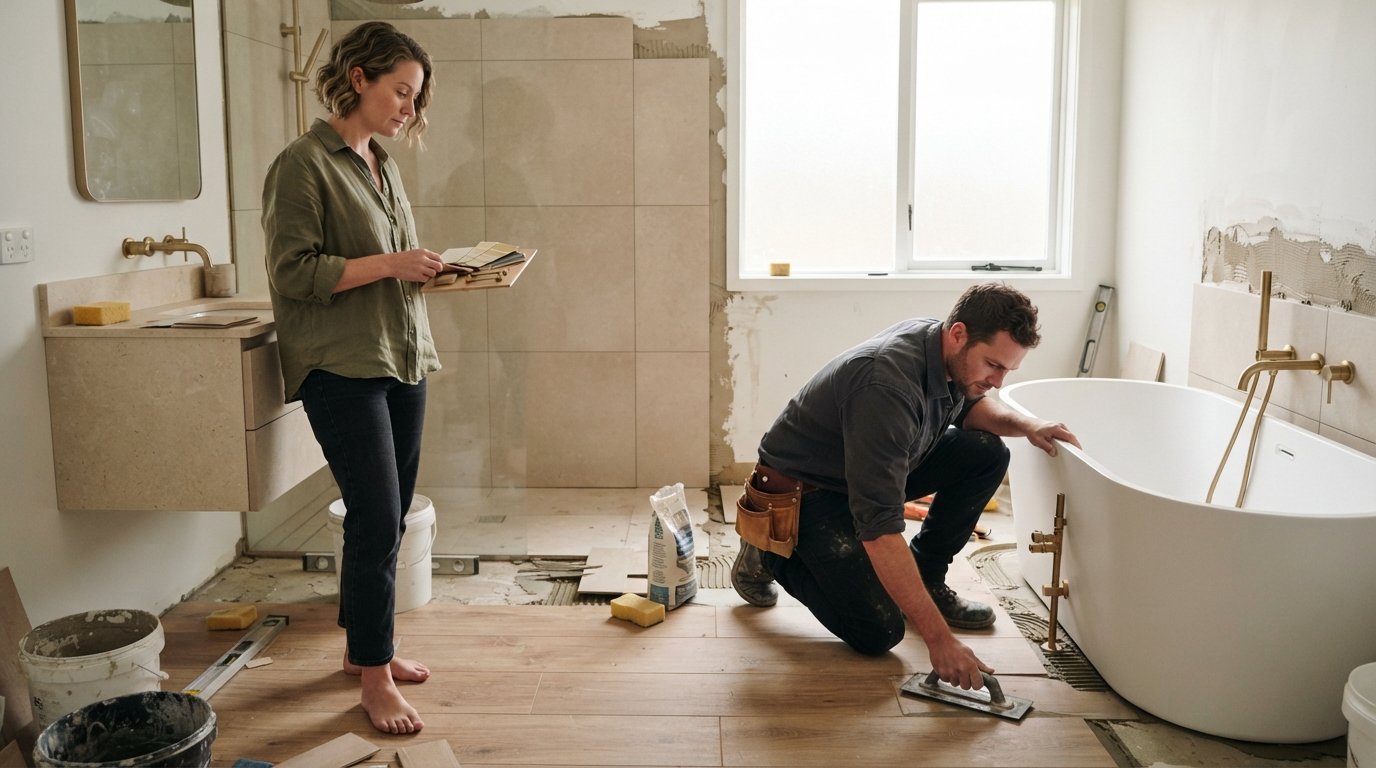
In 2025, bathroom design is moving away from stark, all-white minimalism toward warmer, more textured spaces that feel lived-in and comforting. Homeowners are increasingly drawn to natural materials that bring a sense of calm and connection to the outdoors. Wood-look tile continues to dominate floors and shower walls, offering the warmth of wood without the maintenance headaches. Large-format porcelain tiles that mimic marble or stone are also popular, but with a twist: instead of high-gloss finishes, matte and honed textures are preferred for their slip resistance and subtle elegance.
Color palettes are shifting as well. While white remains a staple, it is being paired with earthy tones like terracotta, sage green, and warm beige. These colors create a soothing atmosphere and work well with natural materials. Black fixtures, once a bold statement, are now mainstream, but 2025 sees a rise in brushed brass and gunmetal finishes that add warmth without the high contrast of black. Another notable trend is the use of color-drenched bathrooms, where walls, vanity, and even the ceiling are painted in the same deep hue, such as navy or forest green, for a cozy, enveloping effect.
Texture is another key player. Homeowners are incorporating fluted wood vanities, ribbed glass shower doors, and 3D wall tiles to add visual interest without overwhelming the space. These textural elements provide a tactile experience that aligns with the broader wellness trend. When selecting materials, it is wise to consider durability and maintenance. For example, natural stone like marble is beautiful but requires sealing and careful cleaning, while porcelain tile offers similar looks with less upkeep. Homeowners should discuss material choices with their contractor to ensure they fit their lifestyle and budget.
- Warm, earthy tones: Sage green, terracotta, and warm beige create a calming atmosphere.
- Natural materials: Wood-look tile, matte stone, and textured finishes add warmth and depth.
- Mixed metals: Brushed brass and gunmetal finishes complement various color schemes.
- Color-drenching: Monochromatic deep hues for a cozy, spa-like feel.
These material and color trends are more than passing fads; they reflect a desire for bathrooms that feel like personal sanctuaries. However, homeowners should be mindful of resale value. While bold colors and unique textures can be stunning, they may not appeal to every buyer. A balanced approach, combining trendy elements with classic foundations, often yields the best long-term results.
Which Trends Add Resale Value and Which Are Highly Personal
Not all trends are created equal when it comes to return on investment. Some upgrades consistently appeal to a broad range of buyers and can recoup a significant portion of their cost at resale, while others are deeply personal and may even detract from a home's marketability. Understanding this distinction is crucial for homeowners planning a remodel, especially if they intend to sell within a few years.
According to remodeling industry data, midrange bathroom remodels typically recoup around 60-70% of their cost at resale, making them a relatively safe investment. Trends that add value tend to be those that improve functionality, energy efficiency, and universal appeal. For example, updating a dated vanity, replacing worn flooring with durable tile, and installing water-saving fixtures are upgrades that buyers appreciate. Neutral color palettes and classic materials like ceramic tile or quartz countertops also have broad appeal. Accessibility features, such as curbless showers and comfort-height toilets, are increasingly seen as valuable by buyers of all ages, as they support aging in place.
On the other hand, highly personal trends may not translate well to the resale market. Bold, color-drenched walls in deep purple or a mosaic tile mural might be a dream for the current homeowner but could turn off potential buyers. Similarly, luxury features like a freestanding soaking tub or a high-end steam shower can be attractive, but they may not recoup their cost if they are seen as excessive for the neighborhood. Homeowners should consider their timeline: if they plan to stay in the home for many years, personalization is fine; if they plan to sell soon, it is safer to stick with timeless choices.
To help navigate this, here are some general guidelines:
- High resale value: Neutral, functional upgrades like new flooring, updated lighting, and efficient fixtures.
- Moderate resale value: Accessibility features and quality materials that appeal to a wide audience.
- Low resale value (highly personal): Bold colors, unique layouts, and luxury items that may not suit everyone.
It is also wise to consult with a real estate agent or a contractor experienced in your local market to understand what buyers in your area expect. For homeowners ready to start planning, getting quotes from pre-vetted contractors can provide clarity on costs and possibilities. Platforms like FreeQuotes.Contractors can connect you with local professionals who can offer guidance tailored to your home and neighborhood.
Accessibility and Aging-in-Place Features Gaining Traction
One of the most significant shifts in bathroom remodeling for 2025 is the increased demand for accessibility and aging-in-place features. As the population ages, homeowners are thinking ahead about how their bathroom will serve them in the long term. Even younger homeowners are embracing universal design principles, recognizing that a bathroom that works for everyone is simply a better bathroom.
Curbless showers are perhaps the most visible trend in this category. By eliminating the step-over threshold, these showers provide a seamless transition from floor to shower, reducing tripping hazards and making the space feel larger. They also accommodate wheelchairs and walkers, making them ideal for multigenerational households. Alongside curbless showers, homeowners are installing linear drains, which improve drainage and add a modern aesthetic. Grab bars are no longer utilitarian eyesores; they come in stylish finishes that blend with the decor, and many are integrated into shower niches or towel bars.
Comfort-height toilets, which are slightly taller than standard models, are another accessible feature gaining traction. They are easier to sit on and stand up from, benefiting people with mobility issues as well as taller individuals. Additionally, smart bathrooms are on the rise, with features like motion-sensor faucets, bidet seats, and voice-controlled lighting that enhance convenience and safety. These technologies can be especially helpful for aging homeowners or those with disabilities.
When planning an accessible remodel, it is important to work with a contractor who understands universal design principles. They can help you prioritize features that fit your budget and needs. For example, if a full curbless shower is not feasible, a low-threshold shower with a bench and grab bars can be a practical alternative. Homeowners should also consider the layout: widening doorways, adding blocking in walls for future grab bars, and ensuring adequate lighting are all steps that can be taken during a remodel to make the bathroom safer and more functional for years to come.
These accessibility features not only improve quality of life but can also increase home value, as they appeal to a broad range of buyers. As the demand for aging-in-place solutions grows, homes with these features are likely to stand out in the market.
Budget Ranges for Achieving Trending Looks Without a Full Gut Renovation
Many homeowners assume that adopting the latest bathroom trends requires a full-scale gut renovation, but that is not always the case. With careful planning, it is possible to achieve a refreshed, on-trend look without demolishing everything. Understanding budget ranges can help homeowners set realistic expectations and prioritize their spending.
According to industry cost guides, a full bathroom remodel in 2025 typically ranges from $10,000 to $25,000 for a midrange update, while a high-end remodel can exceed $50,000. However, a cosmetic refresh, which involves updating fixtures, paint, and accessories without changing the layout or major systems, can cost significantly less, often between $3,000 and $8,000. This approach is ideal for homeowners who want to incorporate trends like new colors, lighting, or hardware without the expense and disruption of a full renovation.
For those looking to achieve a trending look on a budget, here are some cost-effective strategies:
- Refinish instead of replace: Reglazing a tub or tile can cost a fraction of replacement and give a fresh, updated appearance.
- Update hardware and fixtures: Swapping out faucets, showerheads, and cabinet pulls in trending finishes like brushed brass can make a big impact for a few hundred dollars.
- Add a statement mirror or lighting: A new mirror or light fixture can transform the vanity area without major construction.
- Use removable wallpaper or tile decals: For renters or those hesitant to commit, these temporary options can add pattern and color.
- Focus on one wow feature: Instead of spreading the budget thin, invest in one standout element, such as a textured tile accent wall or a freestanding tub, and keep the rest simple.
It is important to note that even cosmetic updates should be done with quality materials to ensure durability. Homeowners should also consider the cost of labor, which can vary widely by region. Getting multiple quotes from licensed contractors is essential to understanding the true cost of a project. A platform like FreeQuotes.Contractors can simplify this process by connecting homeowners with pre-vetted local contractors who can provide competitive bids.
When planning a budget, homeowners should allocate a contingency fund of 10-20% to cover unexpected issues, such as hidden water damage or outdated wiring. This is especially important in older homes where surprises are common. By being upfront about budget constraints with a contractor, homeowners can explore value engineering options that maintain the desired look while keeping costs in check.
How to Choose the Right Contractor for Your 2025 Bathroom Remodel
Once you have a vision and a budget, the next critical step is selecting the right contractor. A bathroom remodel involves multiple trades, including plumbing, electrical, tiling, and carpentry, so hiring a professional with experience in these areas is essential. The 2025 bathroom remodeling trends homeowners should know also include a shift toward working with contractors who are transparent, communicative, and up to date on the latest materials and techniques.
Start by seeking referrals from friends, family, or neighbors who have recently remodeled a bathroom. Online reviews and ratings can also provide insight, but be sure to read the details and look for patterns. When interviewing contractors, ask about their experience with the specific trends you are considering, such as curbless showers or smart fixtures. A good contractor will be honest about what is feasible within your budget and will offer alternatives if a particular trend is not practical for your space.
Always verify licenses and insurance. In the United States, contractor licensing requirements vary by state, so check with your local building department to ensure the contractor is properly licensed. Ask for a certificate of insurance for both general liability and workers' compensation. This protects you in case of accidents or damage during the project. It is also wise to ask for references and to visit a completed project if possible.
Get everything in writing. A detailed contract should include the scope of work, materials and fixtures to be used (with model numbers), a timeline, payment schedule, and warranty information. Avoid contractors who demand large upfront payments; a typical schedule might include a deposit of 10-20% and subsequent payments tied to milestones. Finally, trust your instincts. A contractor who listens to your ideas, communicates clearly, and respects your budget is worth their weight in gold.
For homeowners who want to streamline the process, FreeQuotes.Contractors offers a free quote request system that connects you with pre-vetted local contractors. This can save time and reduce the risk of hiring an unqualified professional, allowing you to focus on the exciting parts of your remodel.
As you plan your 2025 bathroom remodel, keep in mind that the best trends are those that align with your lifestyle and add lasting value to your home. Whether you are drawn to warm, natural materials, accessibility features, or smart technology, the key is to balance personal taste with practical considerations. By staying informed and working with a trusted contractor, you can create a bathroom that is both beautiful and functional for years to come.