
Vinyl vs Wood vs Fiberglass Window Frames: 2026 Comparison
Compare vinyl, wood, and fiberglass window frames on cost, durability, and energy efficiency. Call (833)-700-4293 for expert help.

By Olivia Shaw
Find Local Pros Near You

Enter your ZIP code to compare top-rated local professionals and request free quotes.
Replacing windows is one of the most common home improvement projects in the United States, and the frame material you choose can affect everything from your energy bills to how often you need to repaint. Vinyl, wood, and fiberglass dominate the market, but they perform very differently in terms of cost, durability, and maintenance. This guide compares window frame materials side by side so you can make an informed decision for your home.
The Big Three: Vinyl, Wood, and Fiberglass at a Glance
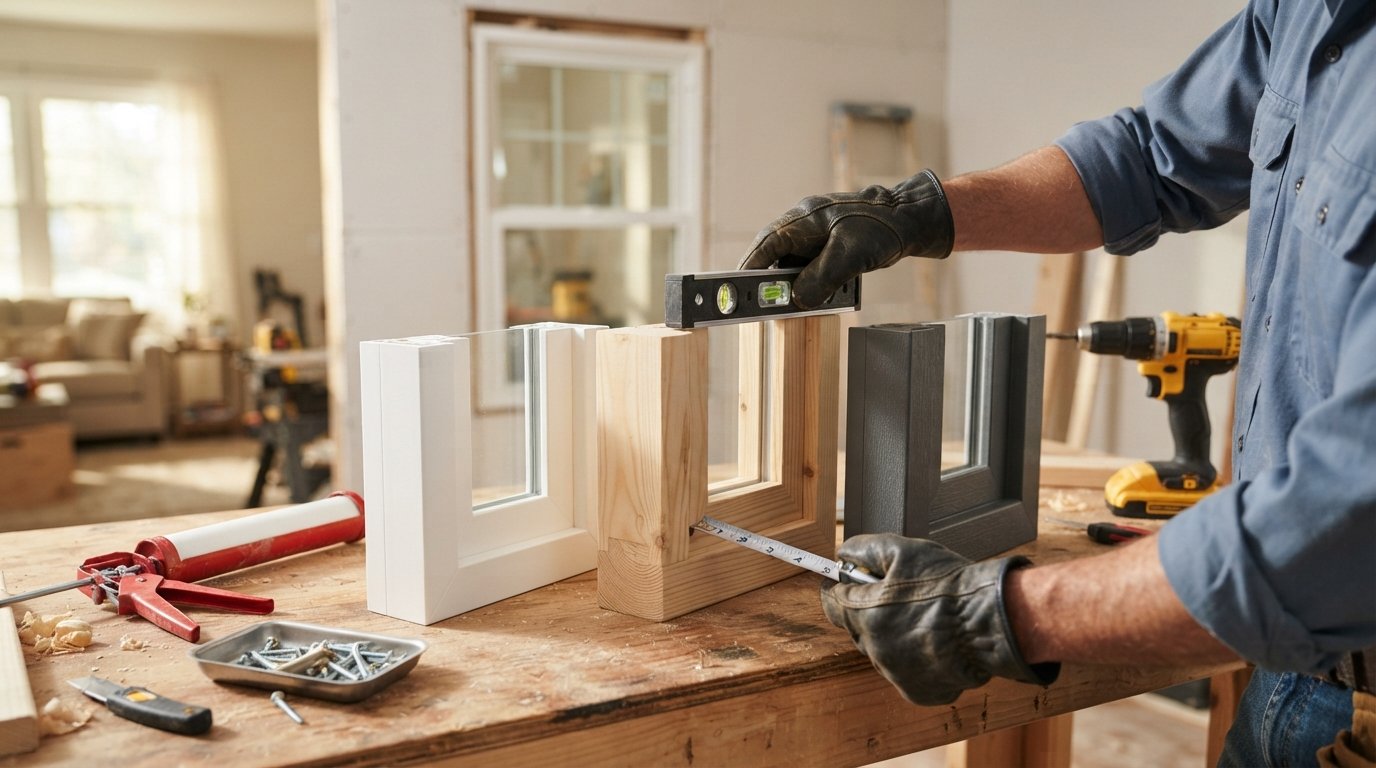
Before diving into the details, it helps to understand the basic composition and typical applications of each material. Vinyl frames are made from polyvinyl chloride (PVC), a plastic that is extruded into hollow profiles. They are the most affordable option and are widely available in double-hung, slider, and casement styles. Wood frames, often clad with aluminum or vinyl on the exterior, offer a classic look and excellent insulation but require more maintenance. Fiberglass frames are made from glass fibers embedded in a resin matrix, providing high strength and dimensional stability.
Each material has a distinct set of strengths and weaknesses. Vinyl is budget-friendly and low-maintenance, but it can expand and contract in extreme temperatures. Wood is aesthetically pleasing and insulates well, but it is susceptible to moisture damage if not properly protected. Fiberglass is durable and energy-efficient, but it comes at a higher price point. Understanding these trade-offs is key to selecting the right frame for your climate, home style, and budget.
Cost Tiers and Lifespan: What to Expect
When comparing window frame materials, cost and lifespan are often the first considerations for homeowners. Vinyl windows are the most economical, with typical installed costs ranging from $300 to $700 per window. They generally last 20 to 30 years, depending on sun exposure and quality. Wood windows are mid-range to high-end, costing $500 to $1,200 per window installed, and can last 30 to 50 years if maintained properly. Fiberglass windows are at the premium end, with prices from $800 to $1,500 per window installed, and they can last 50 years or more with minimal upkeep.
It is important to consider the total cost of ownership, not just the upfront price. Vinyl may need occasional cleaning but rarely requires painting or repairs. Wood windows demand periodic painting or staining, which adds to long-term costs. Fiberglass, while expensive initially, often pays off through durability and energy savings. Homeowners should also factor in potential energy rebates and tax credits for energy-efficient windows, which can offset some of the higher upfront costs of fiberglass or high-performance vinyl.
To get a precise estimate for your project, request free quotes from pre-vetted local contractors through FreeQuotes.Contractors. They can help you compare options and find the best value for your budget.
Moisture, Heat, and Maintenance: How Each Material Performs
Climate plays a major role in how window frames hold up over time. Vinyl is resistant to moisture and rot, making it a good choice for humid or coastal areas. However, in extreme heat or cold, vinyl can expand and contract, potentially leading to seal failures or warping. Wood is highly susceptible to moisture damage; if water infiltrates the frame, it can rot, swell, and peel. Proper sealing and regular painting are essential to protect wood frames. Fiberglass is the most resistant to moisture and temperature fluctuations. It expands and contracts very little, so it maintains its shape and seal integrity even in harsh weather.
Maintenance requirements vary significantly. Vinyl frames need only occasional cleaning with mild soap and water. Wood frames require repainting or restaining every few years, especially in sunny or wet climates. Fiberglass frames can be cleaned like vinyl and rarely need painting, although some manufacturers offer factory-applied finishes that can be refreshed. For homeowners seeking low-maintenance options, vinyl and fiberglass are the clear winners. Wood is best for those who appreciate traditional aesthetics and are willing to commit to regular upkeep.
Energy Performance and Frame Profiles
Energy efficiency is a top priority for many homeowners, and the frame material affects how well a window insulates. Vinyl frames are decent insulators, especially when they have multiple hollow chambers. However, the hollow cavities can be filled with insulation for better performance. Wood is a natural insulator, but its thermal performance depends on the thickness and the presence of cladding. Fiberglass frames have low thermal conductivity and can be engineered with insulating foam, making them among the most energy-efficient options available.
Frame profile also matters. Slim profiles allow more glass area, which can increase solar gain but reduce insulation. Wider profiles can accommodate more insulation but may reduce the visible glass area. Fiberglass frames can be made with narrow profiles without sacrificing strength, offering a modern look and good energy performance. Vinyl frames are typically bulkier due to the need for internal chambers. Wood frames can be milled to various profiles but may require more maintenance to preserve their insulating properties.
When evaluating energy performance, look for the U-factor and Solar Heat Gain Coefficient (SHGC) ratings. These ratings are influenced by the frame material, glazing, and spacers. Fiberglass frames often achieve lower U-factors than vinyl or wood, especially when combined with low-E glass and argon gas fills. Homeowners in extreme climates should prioritize frames with high energy ratings to reduce heating and cooling costs.
Matching Frame Material to Home Style and Climate
The right frame material should complement your home's architectural style and suit your local climate. Vinyl frames are versatile and come in a range of colors and finishes, making them suitable for most home styles, from contemporary to traditional. They are particularly popular in suburban developments and budget-conscious renovations. Wood frames are ideal for historic homes, craftsman bungalows, and any property where authentic wood grain and custom profiles are desired. Fiberglass frames offer a modern, sleek appearance and are often chosen for contemporary homes and energy-efficient builds.
Climate considerations are equally important. In hot, humid climates, vinyl and fiberglass resist moisture and rot, while wood requires extra protection. In cold climates, fiberglass and wood provide better insulation, but vinyl can become brittle in extreme cold. In areas with high temperature swings, fiberglass's dimensional stability is a major advantage. Homeowners should also check local building codes and homeowner association rules, which may restrict material choices in certain neighborhoods.
If you are unsure which material suits your home, consult with a local window contractor. They can assess your climate, home style, and budget to recommend the best option. Contractor.Homes connects you with pre-vetted professionals who can provide personalized advice and free quotes.
What to Ask a Window Contractor About Warranty Coverage
Warranty coverage is a critical but often overlooked aspect of window replacement. Different materials come with different warranty terms, and understanding these can save you from costly repairs down the line. When interviewing contractors, ask specific questions about both the manufacturer's warranty and the installer's workmanship warranty.
Here are key questions to ask:
- What does the manufacturer's warranty cover (e.g., frame, glass, hardware, seals)?
- How long is the warranty period for each component?
- Does the warranty cover labor and installation errors?
- Are there exclusions for certain climates or installation conditions?
- Is the warranty transferable to a new homeowner?
Vinyl windows typically come with warranties of 20 to 30 years, but coverage may be prorated. Wood windows often have shorter warranties on the frame (10 to 20 years) but may have longer coverage on cladding. Fiberglass windows usually have strong warranties, sometimes lifetime, reflecting their durability. Always read the fine print and ask the contractor to explain any limitations. A reputable contractor will be transparent about warranty terms and can help you choose a product with robust coverage.
In addition to warranties, ask about the contractor's insurance and licensing. A professional window installer should carry liability insurance and workers' compensation to protect you in case of accidents. Verify that the contractor is licensed to perform work in your state. These precautions ensure a smooth project and give you peace of mind.
Making the Final Decision
Choosing between vinyl, wood, and fiberglass window frames ultimately comes down to your priorities. If you are budget-conscious and want low maintenance, vinyl is a solid choice. If you value traditional aesthetics and are willing to invest time in upkeep, wood may be right for you. If you want maximum durability and energy efficiency and are willing to pay a premium, fiberglass is the best option. Consider your climate, home style, and long-term plans, and don't hesitate to seek professional guidance.
Remember that proper installation is just as important as the material itself. Even the best windows will underperform if installed incorrectly. Hiring a qualified, experienced contractor is essential. Contractor.Homes can help you find pre-vetted local window contractors who specialize in your chosen material. Get free quotes today and compare options to make a confident decision.