
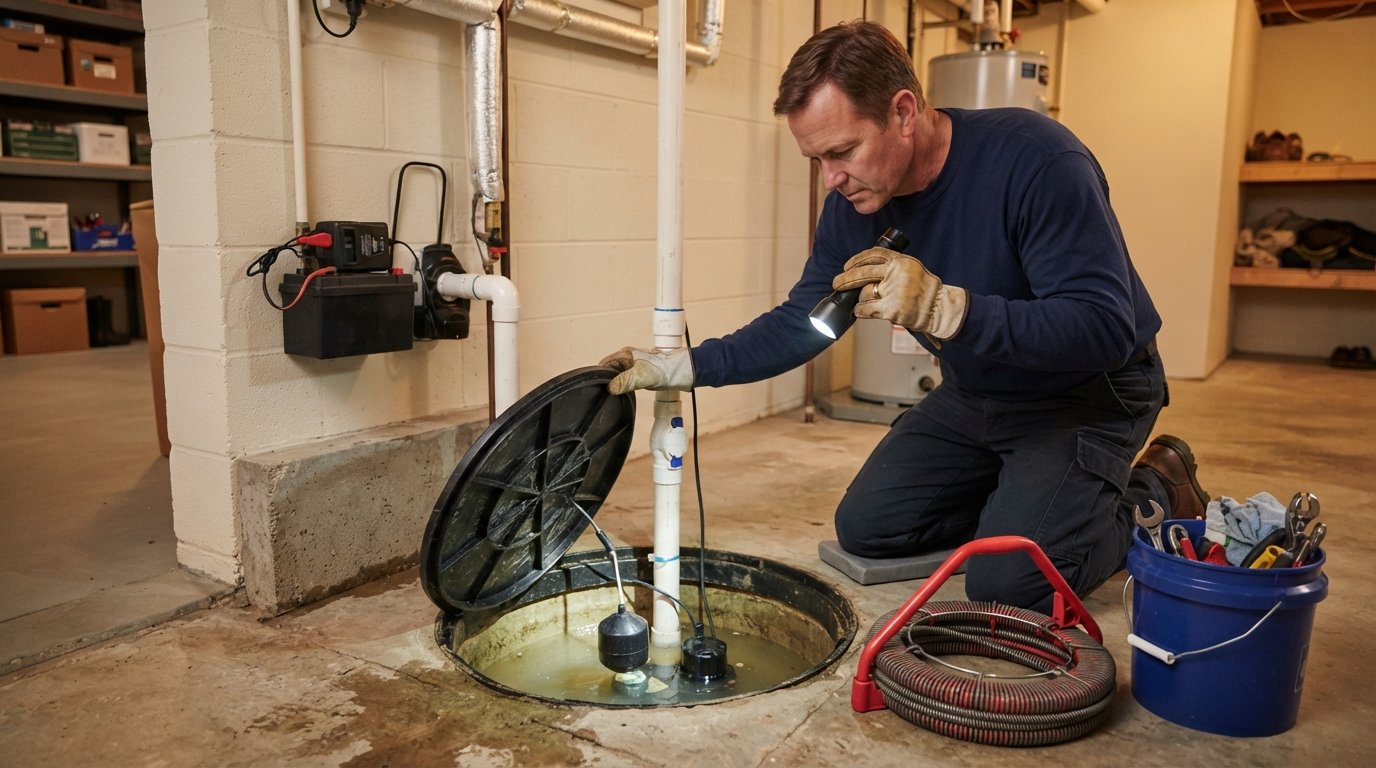
Sump Pump Maintenance and Backup Options for Homeowners
Protect your basement with proper sump pump maintenance and backup options. Call (833)-700-4293 for expert help.

By Gabriel Hayes
Learn more about Handyman for guides, costs, and what to expect.
Compare Handyman Pros Near You

Enter your ZIP code to compare top-rated local professionals and request free quotes.
A sump pump is one of those quiet guardians of your home that you rarely think about until it fails. When a heavy storm hits and the power goes out, a well-maintained pump with a reliable backup system can mean the difference between a dry basement and thousands of dollars in water damage. Yet many homeowners neglect this critical piece of equipment until it is too late. This guide walks you through the essential maintenance tasks, warning signs of failure, and the backup options that keep your basement protected no matter what.
Why Sump Pump Maintenance Matters
Your sump pump works behind the scenes, activating only when water accumulates in the pit. Because it sits idle for long periods, problems can develop without any obvious symptoms. A pump that has not been tested in months might seize up from rust or debris just when you need it most. Regular maintenance ensures the float switch moves freely, the impeller is clear of obstructions, and the discharge line is unobstructed. It also gives you a chance to spot early signs of wear before they lead to a complete breakdown.
Neglecting maintenance can also shorten the pump's lifespan. Most sump pumps last around 10 years, but without periodic checks, that can drop to five or fewer. Simple tasks like cleaning the pit and testing the pump can add years of reliable service. Moreover, a well-maintained system gives you peace of mind during severe weather, knowing that your basement is protected.
How Often to Test Your Sump Pump and What to Check
Testing your sump pump should be a routine part of your home maintenance schedule. Aim to test it at least once every few months, and always before the rainy season or spring thaw. If you live in an area prone to flooding, monthly testing is wise. The test itself is straightforward: pour a bucket of water into the pit and watch whether the pump activates and drains the water completely. While doing this, listen for unusual noises and check that the float switch moves freely.
Beyond the basic test, inspect these components during your maintenance check:
- Float switch: Ensure it is not tangled or stuck. Lift it manually to see if the pump turns on.
- Discharge line: Check for clogs, leaks, or disconnected sections. Water should flow out smoothly and away from the foundation.
- Pit: Remove any debris, silt, or gravel that could clog the pump intake.
- Power cord and plug: Look for frayed wires or loose connections. The pump should be plugged into a ground fault circuit interrupter (GFCI) outlet.
- Backup system: If you have a battery backup or water-powered backup, test it according to the manufacturer's instructions.
After testing, record the date and any issues you notice. This log helps you track performance and spot trends. If the pump fails to start or drain water properly, address the problem immediately or call a professional.
Signs Your Sump Pump Is Failing or Undersized
Even with regular maintenance, sump pumps can fail. Knowing the warning signs can help you replace the unit before a flood occurs. Common indicators include strange grinding or rattling noises, frequent cycling (turning on and off rapidly), and visible rust or corrosion on the pump body. If the pump runs continuously but does not remove water, it may be clogged or the impeller may be damaged. Another red flag is a pump that has exceeded its expected lifespan; even if it seems to work, older pumps are more prone to sudden failure.
An undersized pump is another common issue. If your pump runs constantly during storms or cannot keep up with water inflow, it may be too small for your home's needs. Factors like the size of your basement, the water table, and local rainfall patterns determine the required pumping capacity. A professional can assess your situation and recommend a pump with the right horsepower and flow rate. Upgrading to a larger pump or adding a second pump can provide redundancy and better protection.
If you notice any of these signs, do not wait until the next storm. Consult a qualified plumber or waterproofing specialist to evaluate your system. They can test the pump under load, check the pit size, and ensure the discharge line is adequate. For homeowners looking to connect with pre-vetted local contractors for plumbing or waterproofing services, platforms like FreeQuotes.Contractors offer a convenient way to request free quotes and compare professionals.
Battery Backup vs. Water-Powered Backup Systems
Power outages are one of the most common reasons sump pumps fail during storms. That is why a backup system is essential. Two main types dominate the market: battery backup systems and water-powered backup systems. Each has its advantages and limitations, and the right choice depends on your specific circumstances.
Battery Backup Systems
Battery backup systems use a rechargeable battery to power a secondary pump when the primary pump loses electricity. They are the most popular choice because they are independent of your home's water supply and can run for hours or even days, depending on the battery capacity and water demand. Modern systems often include smart features like alarms and remote monitoring. However, they require regular battery testing and replacement every three to five years, and they add to the upfront cost.
Water-Powered Backup Systems
Water-powered backups, also known as water-driven pumps, use the pressure of your home's municipal water supply to create a venturi effect that removes water from the pit. They have no battery to maintain and can run indefinitely as long as water pressure is available. They are also less expensive upfront. However, they consume a significant amount of water (typically two to three gallons for every gallon pumped) and are not suitable for homes on wells or with low water pressure. In areas with water restrictions, they may not be ideal.
When choosing between the two, consider your water source, local climate, and budget. Many homeowners opt for a battery backup as the primary backup and may add a water-powered unit as a secondary option if water pressure is reliable. A professional can help you determine the best configuration for your home.
Discharge Line and Pit Maintenance Basics
The discharge line and pit are often overlooked, yet they are critical to your sump pump's performance. The discharge line carries water away from your foundation, and if it is clogged or frozen, the pump will work harder and may fail. Inspect the line regularly for debris, ice dams, or disconnections. Ensure it slopes downward and discharges at least 10 to 20 feet from your foundation to prevent water from cycling back into the pit.
The pit itself should be kept clean. Over time, silt, gravel, and debris can accumulate, reducing the pit's capacity and clogging the pump intake. Wear gloves and remove any loose debris by hand or with a wet/dry vacuum. Check that the pit is deep enough and that the pump sits on a solid, level surface. If the pit is too small or the pump is not secured, vibration can cause damage. Also, verify that the pit has a tight-fitting lid to keep out debris and prevent accidental falls.
In cold climates, winterizing the discharge line is essential. Before the first freeze, disconnect the line or ensure it drains completely. If water remains in the line, it can freeze and block flow, causing the pump to overheat. A freeze-proof discharge line or a slight slope can help. For more detailed guidance on winterizing plumbing systems, consider consulting a professional.
When to Call a Plumbing or Waterproofing Professional
While routine maintenance is DIY-friendly, some situations require expert attention. If your pump fails to turn on, makes loud noises, or trips the circuit breaker, it is time to call a licensed plumber. Persistent moisture or water seepage in the basement, even with a functioning pump, may indicate a larger waterproofing issue such as foundation cracks or poor drainage. A waterproofing specialist can assess the entire system and recommend solutions like interior drains or a larger pit.
Additionally, if you are unsure about the correct size or type of backup system for your home, professional guidance is invaluable. They can calculate the required pumping capacity based on your basement's square footage and water table, and help you choose between battery and water-powered backups. For homeowners in the United States seeking reliable, pre-vetted contractors for plumbing or waterproofing projects, requesting free quotes from multiple professionals can simplify the process and ensure you get the best value.
Remember, a sump pump is a life-saving appliance for your basement. Regular maintenance, prompt attention to warning signs, and a reliable backup system are your best defense against water damage. Stay proactive, and your basement will stay dry.