
Luxury Vinyl Plank vs Hardwood Flooring Durability
Compare luxury vinyl plank vs hardwood flooring durability on moisture, scratches, cost, and resale. Call (833)-700-4293 for expert flooring guidance.

By Julia Dawson
Learn more about Floor Installation or Replacement for guides, costs, and what to expect.
Compare Floor Installation or Replacement Pros Near You

Enter your ZIP code to compare top-rated local professionals and request free quotes.
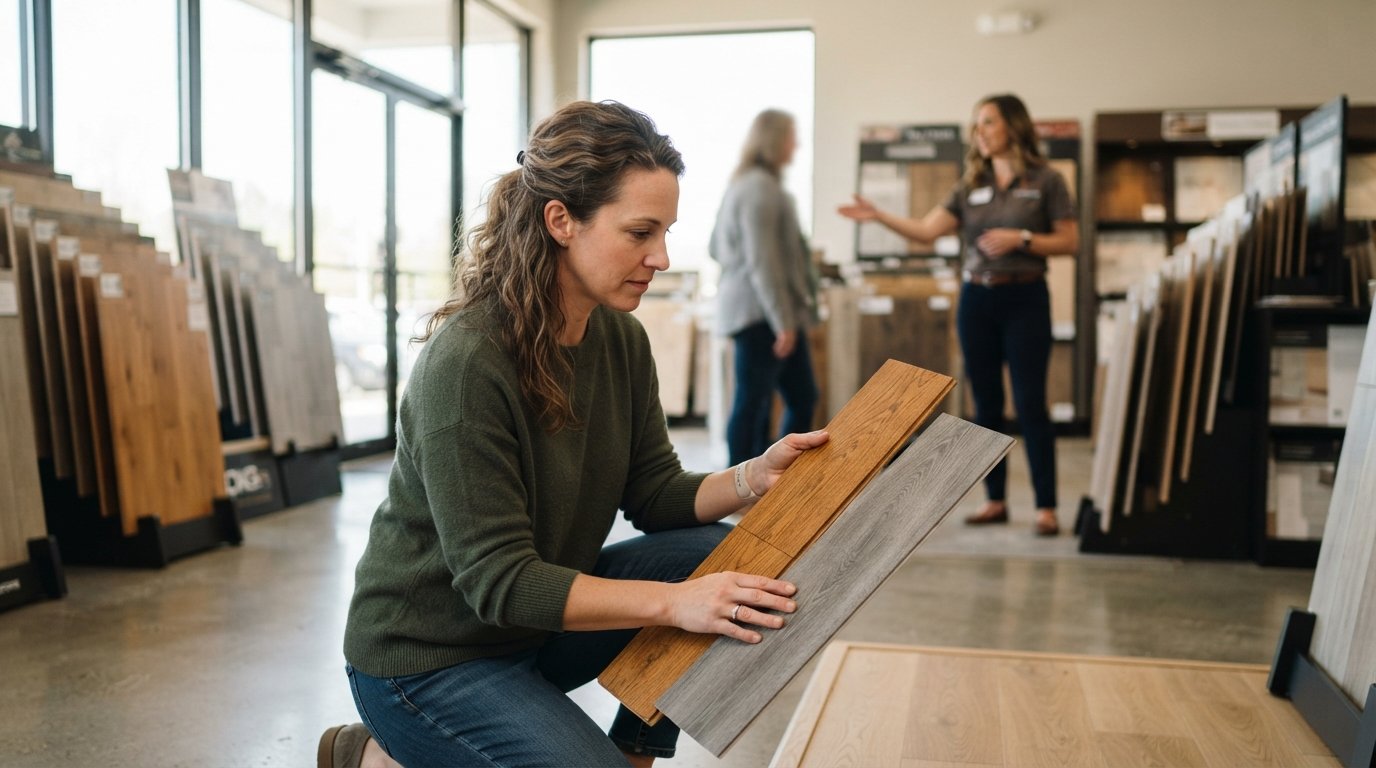
You are standing in a flooring showroom, torn between the warm, timeless look of hardwood and the practical, water-resistant promise of luxury vinyl plank. The salesperson says both are durable, but what does that really mean for your kitchen, your basement, your kids, and your resale value? The truth is that luxury vinyl plank vs hardwood flooring durability is not a simple contest with one clear winner. Each material excels in different environments and under different types of abuse, and the right choice depends on where you plan to install it, how you live, and what you value most in your home. This guide breaks down the real-world performance of both options so you can make a confident, informed decision.
Understanding the Durability Divide: Material Construction
Hardwood flooring is exactly what it sounds like: solid wood milled into planks, typically from oak, maple, hickory, or walnut. Engineered hardwood adds a plywood core beneath a real wood veneer, but the wear surface is still genuine wood. That means hardwood can be sanded and refinished multiple times over its lifespan, which can exceed 50 years if properly maintained. However, wood is also susceptible to moisture, scratches, and dents, and it expands and contracts with seasonal humidity changes.
Luxury vinyl plank, by contrast, is a synthetic product. It typically consists of a rigid core (often made from limestone powder and PVC), a high-resolution photographic layer that mimics wood grain, and a transparent wear layer on top. The wear layer thickness is measured in mils, and it is the single most important factor in LVP durability. A wear layer of 12 mils or higher is considered suitable for residential use, while 20 mils or more is often recommended for heavy traffic or light commercial applications. Because LVP is plastic-based, it is inherently waterproof and will not swell, warp, or rot when exposed to water.
This fundamental difference in construction drives every other comparison. Hardwood is a natural material that can be restored but requires careful climate control. LVP is a resilient material that resists moisture and stains but cannot be refinished once the wear layer is compromised. Understanding this trade-off is the foundation of any durability comparison.
Wear Layer, Scratch Resistance, and Real-World Performance
When homeowners ask about durability, they usually mean one of two things: will it scratch, or will it get damaged by water? Hardwood is softer than many people expect. A dropped cast-iron pan, a pet with untrimmed nails, or even a piece of grit trapped under a chair leg can leave a visible scratch or dent. Oak, one of the most common hardwood species, has a Janka hardness rating of about 1,360 pounds, which is respectable but not impervious. You can protect hardwood with felt pads, area rugs, and a strict no-shoes policy, but scratches are inevitable over time. The good news is that minor scratches can often be hidden with touch-up markers, and deeper damage can be sanded out during a refinishing project.
Luxury vinyl plank performs better in scratch resistance, especially when you choose a product with a thick wear layer and a quality urethane finish. Many LVP products carry scratch-resistant warranties, and their synthetic surface does not dent like wood. However, LVP is not immune to damage. Sharp objects can still cut through the wear layer, and heavy furniture dragged across the floor can leave gouges. Once the wear layer is punctured, the damage is permanent because LVP cannot be sanded or refinished. The key is to choose a wear layer of at least 12 mils for residential use and to follow the manufacturer's maintenance guidelines.
In kitchens and basements, the performance gap widens. Kitchens are high-traffic zones with frequent spills, dropped utensils, and standing water around the sink. Hardwood can handle occasional spills if wiped up promptly, but prolonged exposure to water causes swelling, cupping, and eventually rot. Basements are even more problematic because they are prone to humidity and occasional flooding. Solid hardwood is generally not recommended for basements, and even engineered hardwood can struggle in damp conditions. LVP, being waterproof, is an excellent choice for both kitchens and basements. It will not swell or delaminate when exposed to water, and it can be installed directly over most concrete subfloors with a proper moisture barrier.
Here is a quick comparison of how each material handles common household hazards:
- Scratches from pets and furniture: LVP with a thick wear layer generally resists scratching better than hardwood, though both can be damaged by large dogs or heavy furniture.
- Water spills and humidity: LVP is waterproof and unaffected by standing water; hardwood swells, cups, and may require replacement if water penetrates the seams.
- Dents and impact damage: Hardwood dents more easily than LVP, which has a slight give to its core.
- Sunlight fading: Hardwood can fade or change color over time; LVP is more color-stable but may yellow slightly in direct sunlight.
- Repairability: Hardwood can be sanded and refinished; LVP planks can be replaced individually if they are not glued down, but the wear layer cannot be restored.
This list makes one thing clear: there is no universal winner. If you have a busy household with pets and kids, LVP's scratch and water resistance may be more practical. If you are installing in a formal living room or bedroom and value the ability to refinish, hardwood is the better long-term investment.
Installed Cost Per Square Foot: Where Each Option Wins
Cost is often the deciding factor for homeowners, but the sticker price of the material is only part of the story. The installed cost includes materials, labor, subfloor preparation, and any additional supplies like underlayment or transition strips. Hardwood flooring typically ranges from $6 to $12 per square foot installed, depending on the species, grade, and whether it is solid or engineered. Exotic woods and wide planks can push the price higher. LVP is generally more affordable, with installed costs ranging from $3 to $8 per square foot. High-end LVP with a thick wear layer and realistic texture can approach the lower end of the hardwood range, but it still tends to be less expensive overall.
However, cost comparisons must account for subfloor preparation. Hardwood requires a flat, dry subfloor, and any unevenness must be corrected before installation. Over concrete, a moisture barrier and possibly a plywood subfloor are needed, which adds to the cost. LVP is more forgiving of minor subfloor imperfections, especially if you choose a rigid-core product with an attached underlayment. That said, significant dips or bumps still need to be addressed, and some LVP products require a perfectly flat surface to prevent clicking or telegraphing. In basements, LVP often wins on total installed cost because it does not require the extensive moisture mitigation that hardwood demands.
When you compare luxury vinyl plank vs hardwood flooring durability through the lens of cost, consider the lifecycle. Hardwood can be refinished multiple times, so its cost per year of service can be lower over decades. LVP will eventually need to be replaced, typically after 10 to 20 years depending on traffic and quality. If you plan to stay in your home for 30 years, hardwood may be the more economical choice in the long run. If you are renovating a rental property or a basement where moisture is a concern, LVP's lower upfront cost and water resistance make it the smarter financial decision.
It is also worth noting that installation methods differ. Solid hardwood is usually nailed or stapled to a wood subfloor, which requires a professional with specific skills. LVP often uses a click-lock floating installation, which is faster and can be a DIY project for confident homeowners. However, for a flawless result and to preserve warranties, hiring a qualified flooring contractor is always recommended. Platforms like FreeQuotes.Contractors can connect you with pre-vetted local flooring professionals who can provide accurate quotes and handle subfloor preparation correctly, saving you from costly mistakes.
Resale Value and Buyer Perception
Real estate agents often say that hardwood floors sell homes. There is truth to that: hardwood is a premium feature that buyers associate with quality, warmth, and longevity. In many markets, homes with hardwood flooring command higher prices and sell faster than those with vinyl or laminate. Appraisers may also assign value to hardwood under certain conditions. If resale value is a top priority, hardwood has a clear edge in perception.
That said, luxury vinyl plank has come a long way in both appearance and acceptance. High-quality LVP can convincingly mimic the look of hardwood, and many buyers appreciate its water resistance and low maintenance. In basements, laundry rooms, and rental properties, LVP is often seen as a practical upgrade rather than a downgrade. However, in main living areas of higher-end homes, some buyers may still view LVP as a budget option. The resale impact depends on your home's price point and neighborhood. In a luxury home, hardwood is expected; in a mid-range starter home, quality LVP is perfectly acceptable and may even be preferred for its durability.
It is also important to consider the condition of the flooring at the time of sale. Worn, scratched hardwood can detract from a home's value, while fresh, clean LVP looks new. If you choose hardwood, budget for refinishing before you sell. If you choose LVP, ensure it is professionally installed and well-maintained to maximize its appeal.
Subfloor Preparation Requirements Unique to Each Material
Subfloor preparation is where many flooring projects succeed or fail, and the requirements differ significantly between hardwood and LVP. Hardwood demands a structurally sound, flat, and dry subfloor. The allowable flatness tolerance is typically 3/16 inch over 10 feet, which means any dips or humps must be leveled with a patching compound or sanded down. Moisture is the enemy of hardwood, so a moisture test is essential, especially over concrete. If the subfloor is concrete, a vapor barrier is required, and some manufacturers recommend a plywood sleeper system to provide a nailing surface. These steps add time and cost to the project.
LVP is more forgiving but not maintenance-free. Most click-lock LVP requires a flat subfloor to prevent joints from separating or clicking. Small imperfections can be hidden by an attached underlayment, but larger issues must be corrected. Over concrete, a moisture barrier is still recommended to protect the LVP from moisture vapor, even though the planks themselves are waterproof. The barrier prevents mold growth underneath and protects the adhesive if a glue-down installation is used. Some LVP products can be installed over existing hard surfaces like tile or vinyl, provided the surface is clean and flat, which can save on demolition costs.
For both materials, proper acclimation is important. Hardwood should acclimate to the home's humidity before installation to minimize expansion and contraction. LVP typically requires less acclimation but should still be stored in the room where it will be installed for at least 48 hours. Following the manufacturer's guidelines is critical to maintaining warranties.
Making the Right Choice for Your Home
So, which flooring wins the durability battle? The answer depends on your specific needs. If you are installing in a basement, kitchen, bathroom, or laundry room, LVP is the clear winner due to its waterproof nature. If you have pets or young children and want a floor that can handle spills and accidents without swelling, LVP is the practical choice. If you are installing in a living room, dining room, or bedroom and plan to stay in your home for many years, hardwood offers the ability to refinish and a timeless appeal that can boost resale value.
Consider your lifestyle and long-term plans. A household with three dogs and a pool will likely be happier with LVP. A homeowner who loves the character of real wood and is willing to maintain it will prefer hardwood. You can also mix materials: hardwood in the main living areas and LVP in the basement and bathrooms. This hybrid approach is increasingly popular and allows you to leverage the strengths of each material.
Before you commit, request quotes from multiple flooring contractors. They can assess your subfloor, discuss moisture conditions, and recommend the best product for your situation. A professional installation ensures that your flooring performs as expected and that warranties remain valid. Whether you choose the natural beauty of hardwood or the resilient practicality of luxury vinyl plank, investing in proper installation and maintenance will pay off in durability and satisfaction.